Introduction
“Off-market” is one of the most-used and least-understood terms in Australian property. It gets thrown around loosely in marketing material, but the genuine version of it — properties that trade without ever being publicly advertised — is a real and increasingly relevant part of how competitive markets actually function, particularly as on-market listing volumes have run tight relative to buyer demand across several capital cities through 2025 and into 2026.
What "Off-Market" Actually Means
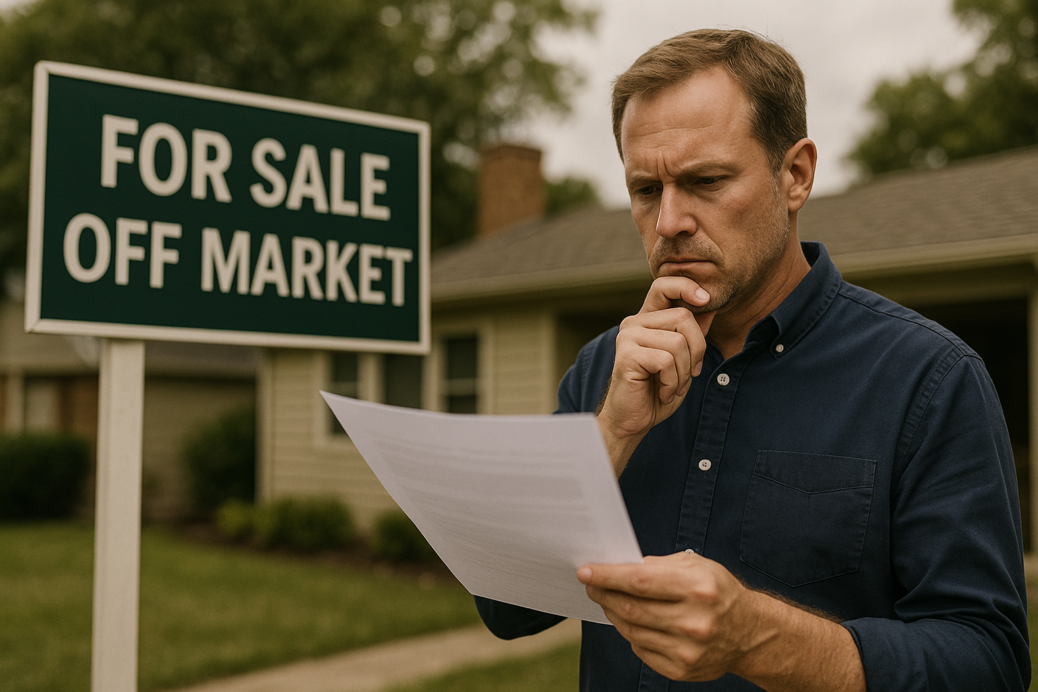
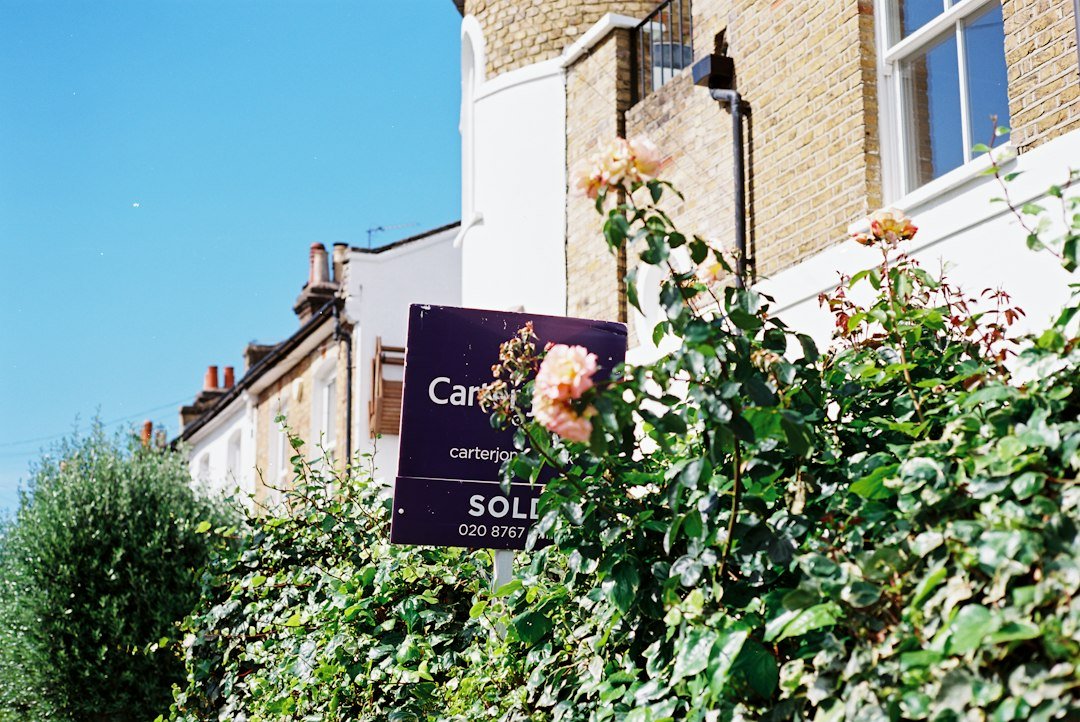
A genuinely off-market property is one sold without a public marketing campaign — no Domain listing, no realestate.com.au ad, no signboard, sometimes not even a formal for-sale status at all. The sale happens through direct relationships: a selling agent quietly approaching buyers or buyer’s agents they know are actively looking for something matching that exact property profile.
This is distinct from “pre-market” or “silent” listings, where a property is technically about to be advertised publicly but a short window is offered to a select buyer pool first — a related but slightly different mechanism, often used as a soft price-testing exercise before a full campaign.
Why Off-Market Activity Has Increased
REBAA’s own market commentary has specifically noted more buyers pivoting toward off-market property as on-market listing volumes have tightened relative to demand — a dynamic reinforced across multiple 2026 market outlooks pointing to constrained housing supply as the dominant national theme, even as headline price growth forecasts diverge sharply between research houses. When there’s genuinely less public stock available, the relationships that unlock off-market opportunities become proportionally more valuable.
Who Actually Gets Access to Off-Market Deals
In practice, off-market access flows through a small number of channels:
For the average individual buyer without an existing agent network, genuine off-market access is difficult to manufacture on your own — which is the core practical argument for engaging a buyer’s agent in a tightly-supplied market, beyond negotiation skill alone.
The Trade-Offs of Buying Off-Market
Off-market purchases typically mean less price competition — which can work in the buyer’s favour — but also less price validation from a public campaign, meaning independent appraisal becomes more important, not less. A skilled buyer’s agent or a thorough independent valuation is arguably more essential in an off-market transaction than a standard, publicly-marketed one, precisely because you don’t have a competitive auction process establishing market price for you.
How to Position Yourself for Off-Market Opportunities
Finding a Buyer's Agent With Genuine Off-Market Access
AgentFind lists verified buyer’s agents searchable by suburb, and profiles include specialisation details that help you assess genuine local market depth before engaging — a more transparent starting point than taking an off-market access claim at face value from a single conversation.